Happy Magnolia: The Handwritten Font for Authentic Small Business Branding
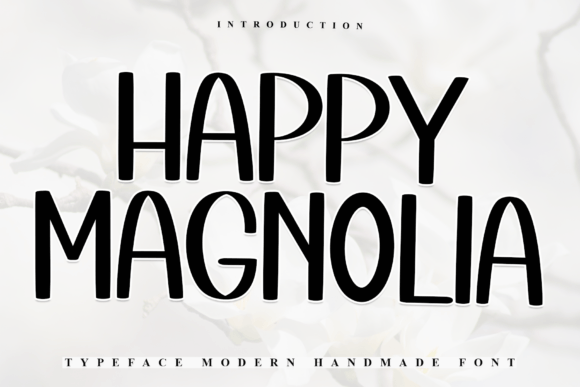
As a small business owner, I have learned that your brand is not just what you sell; it is how you make your customers feel. In a digital world saturated with generic templates and corporate sterility, authenticity is the currency of trust. This is where typography plays a pivotal role. After experimenting with dozens of typefaces to find the perfect voice for my own ventures, I discovered Happy Magnolia, a charming handwritten font from Script Amp that has fundamentally shifted how I approach my visual identity.
This isn’t just another decorative script. It is a creative font that exudes warmth, personality, and approachability. For entrepreneurs, boutique owners, café operators, and independent creators, Happy Magnolia offers a practical solution to the common problem of looking "too polished" or impersonal. Below, I will share how this specific typeface can help your business look more consistent, professional, and recognizable across every touchpoint.
Why Personality Matters in Modern Typography
When I first started my online shop, I relied on standard system fonts like Arial or Helvetica. They were clean, yes, but they were invisible. They didn’t tell a story. They didn’t invite connection. Customers scrolled past my product labels and social media graphics without stopping because there was no emotional hook.
Switching to a script font like Happy Magnolia changed everything. Its playful yet legible style adds a touch of whimsy without sacrificing clarity. It feels like a note written by a friend rather than a memo from a corporation. This subtle shift signals to your target audience that you care about details, that you are human, and that your brand is built on genuine relationships. Whether you are selling handmade candles, offering coaching services, or running a local bakery, the right font helps align your visual output with your core values.
Real-World Applications for Small Businesses
The versatility of Happy Magnolia makes it an invaluable asset for brand identity design. Here is how I have successfully integrated it into various business materials:
- Product Labels and Packaging: For physical products, first impressions happen in seconds. Using Happy Magnolia on product jars, boxes, or tags creates an immediate sense of craftsmanship. Imagine a boutique skincare label where the brand name is rendered in this expressive typeface—it suggests natural ingredients and artisanal care.
- Social Media Graphics: On platforms like Instagram and Pinterest, visuals compete for attention. A headline in Happy Magnolia stands out against busy backgrounds. It works beautifully as a display font for quote graphics, promotional banners, or event announcements. Its legibility ensures that even on smaller mobile screens, your message remains clear.
- Thank You Cards and Inserts: Customer retention often hinges on the unboxing experience. Including a thank-you card printed with Happy Magnolia elevates the perceived value of your order. It transforms a simple transaction into a memorable interaction, encouraging repeat purchases and positive reviews.
- Menus and Flyers: Café owners and food truck operators can use this font for daily specials or weekly flyers. It brings a cozy, inviting atmosphere to printed materials, making the menu feel curated rather than utilitarian.
Building Consistency Across Touchpoints
One of the biggest challenges for startups is maintaining consistency. When you wear multiple hats—designer, marketer, customer service rep—it is easy for your branding to become fragmented. Happy Magnolia serves as a strong anchor for your logo design and supporting text.
By using this font consistently across your website headers, email signatures, and packaging, you create a cohesive narrative. Consistency breeds familiarity, and familiarity builds trust. When a customer sees your distinctive handwritten style on a business card, then again on a sticker, and finally on your website banner, their brain begins to associate that visual style with reliability and quality. This recognition is crucial for standing out in crowded marketplaces.
Strategic Font Pairing for Professionalism
While Happy Magnolia is wonderful for headlines and accents, relying on it exclusively can reduce readability, especially for longer texts. To maintain a professional appearance, pair it with a clean sans serif font or a classic serif font.
For example, use Happy Magnolia for your logo and main headings to capture attention, then pair it with a minimalist sans serif body text for detailed descriptions, pricing, and contact information. This combination balances personality with functionality. The script provides the emotional hook, while the neutral font ensures that your important business details are easily digestible. This approach is particularly effective for e-commerce sites where users need to scan information quickly.
Readability and Practical Testing
A common mistake new business owners make is choosing a font based solely on its aesthetic appeal in large sizes. However, real-world application requires rigorous testing. Before committing to Happy Magnolia for your entire brand kit, test it in various contexts:
- Small Scale: Print a sample label at 1 inch wide. Is the handwriting still distinguishable? Does it look muddy when scaled down?
- Digital Screens: View the font on different devices. How does it render on a smartphone versus a desktop monitor? Ensure it remains crisp and legible.
- Contrast Checks: Place the text over different background colors. Does the dark ink contrast sufficiently with light packaging, or vice versa?
If the font becomes illegible at small sizes, consider using it strictly as a display font for logos and large banners, while reserving simpler typefaces for fine print. Happy Magnolia strikes a good balance between artistic flair and functional readability, but testing ensures it fits your specific production methods.
Legal Considerations and Commercial Licensing
As an entrepreneur, protecting your business is paramount. It is essential to understand the licensing terms associated with any premium font you purchase. While Happy Magnolia is a fantastic tool for personal projects, commercial use—such as printing on merchandise, creating client work, or embedding in digital downloads—requires a proper commercial license.
Always check the specific terms provided by Script Amp or the distributor. Using a font without the correct license can lead to legal issues and financial penalties. Investing in the right license not only keeps you compliant but also supports the designers who create these valuable design assets. Think of it as part of your operational overhead, similar to purchasing high-quality raw materials.
Conclusion
Choosing the right typeface is one of the most impactful decisions you can make for your brand’s visual identity. Happy Magnolia offers a unique blend of warmth, playfulness, and professionalism that resonates with modern consumers seeking authentic connections. By integrating this font strategically into your logos, packaging, and digital content, you can elevate your small business from ordinary to unforgettable. Take the time to test, pair wisely, and license correctly, and watch as your brand gains the recognition and trust it deserves.